National Lottery Good Causes
There is a current Dept. of Culture Media & Sport consultation on the future of National Lottery good cause funding. Submitting, individual responses will add weight but do this before the deadline of midday on 23 September 2026. read more
Summer Administration
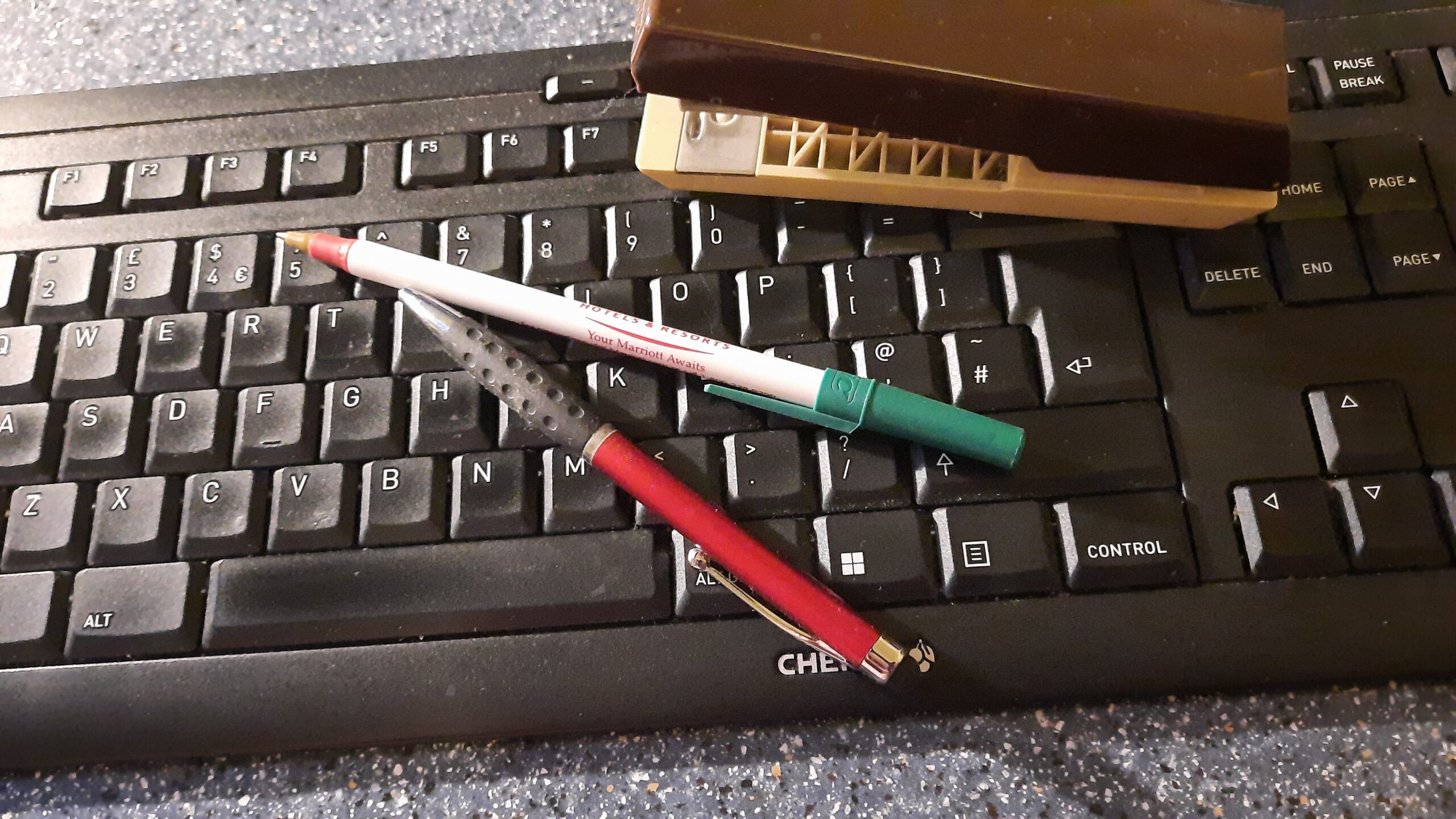
Two administrative tasks are presently happening or are about to. One relates to our member records and the other to unpaid subscriptions. read more
New Historic Organ Listings – June 2026
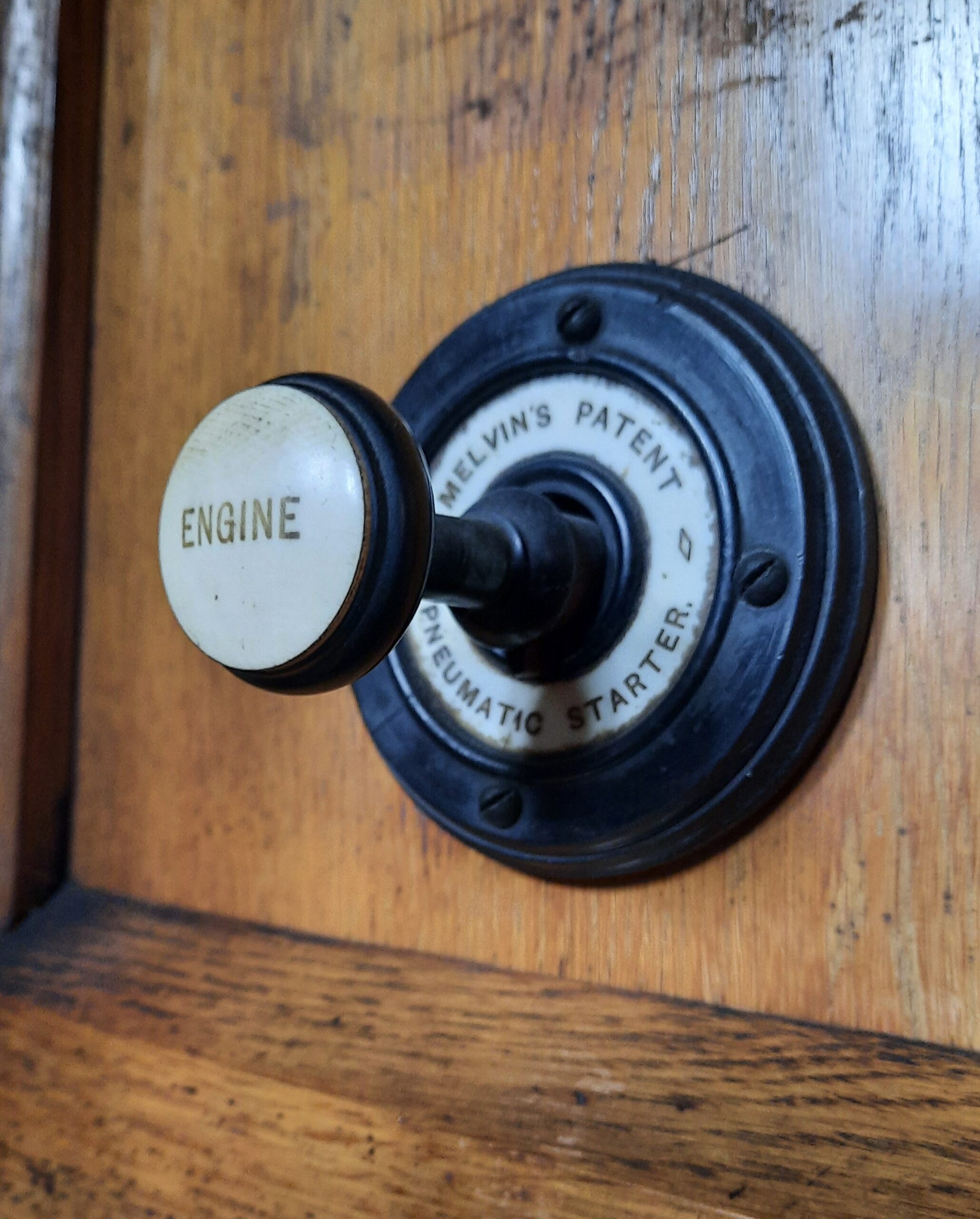
The June Council meeting approved five new Historic Organ Listings. read more
Annual General Meeting 2026
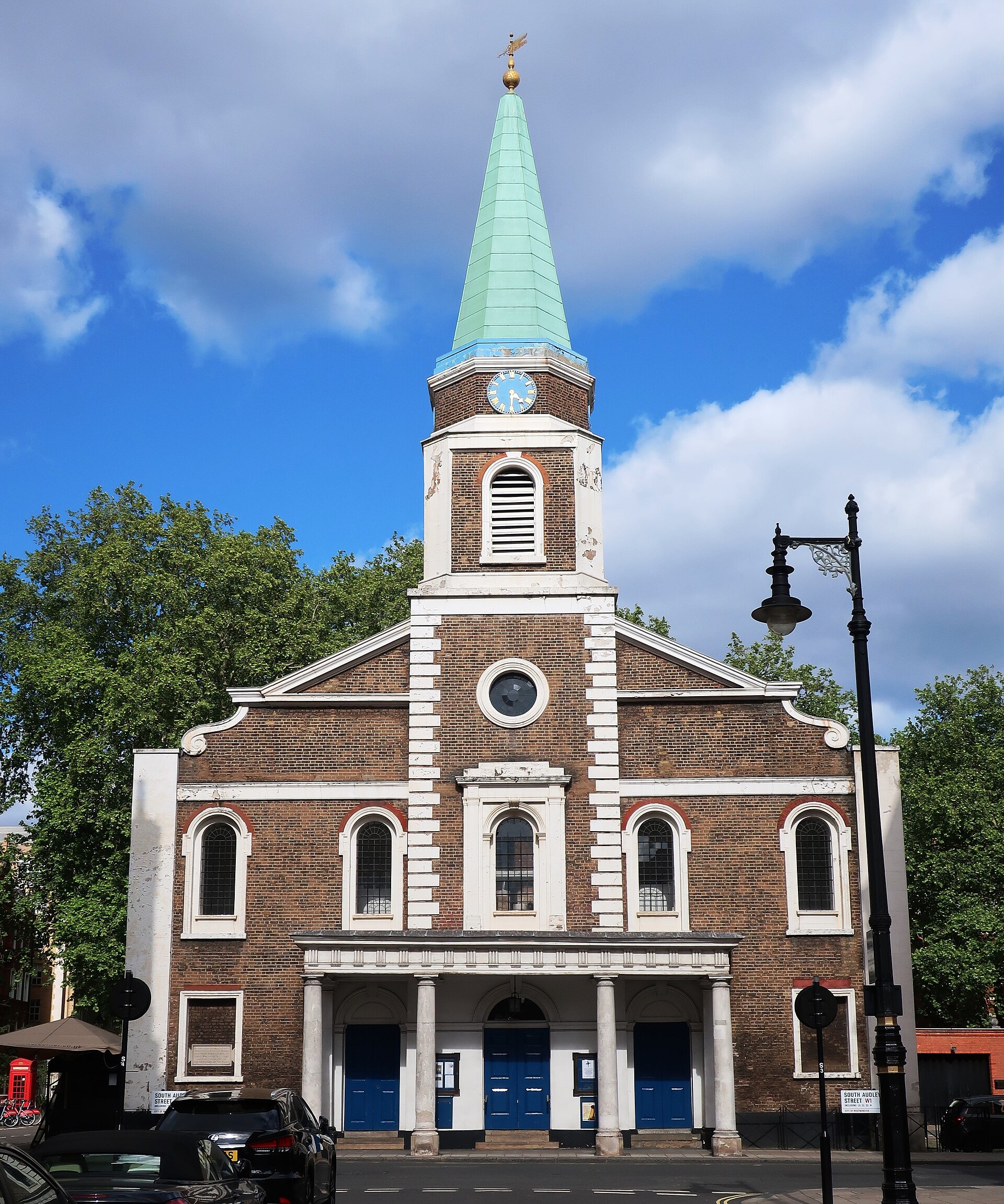
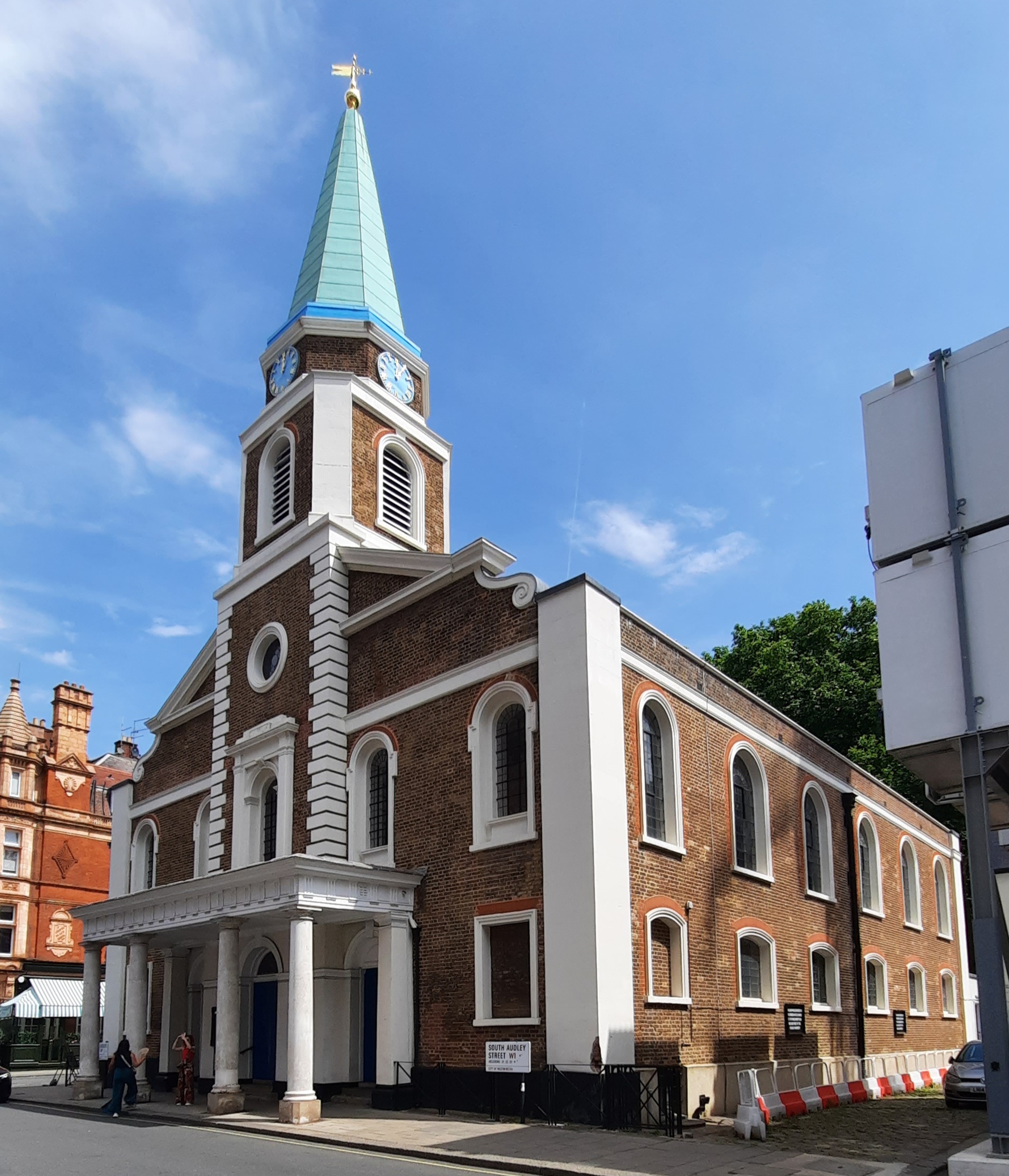
This year’s AGM took place on Saturday 30th May at the Grosvenor Chapel, London. The Reports presented at that meeting can be viewed and also downloaded from this post. read more
Day Conference & Annual General Meeting 2026
This year’s AGM meeting begins at Farm Street Church (The Church of the Immaculate Conception), Mayfair, which houses an organ rebuilt by Henry Willis III in 1926 incorporating pipework by Anneessens and Bishop. read more
Oxford Residential Conference
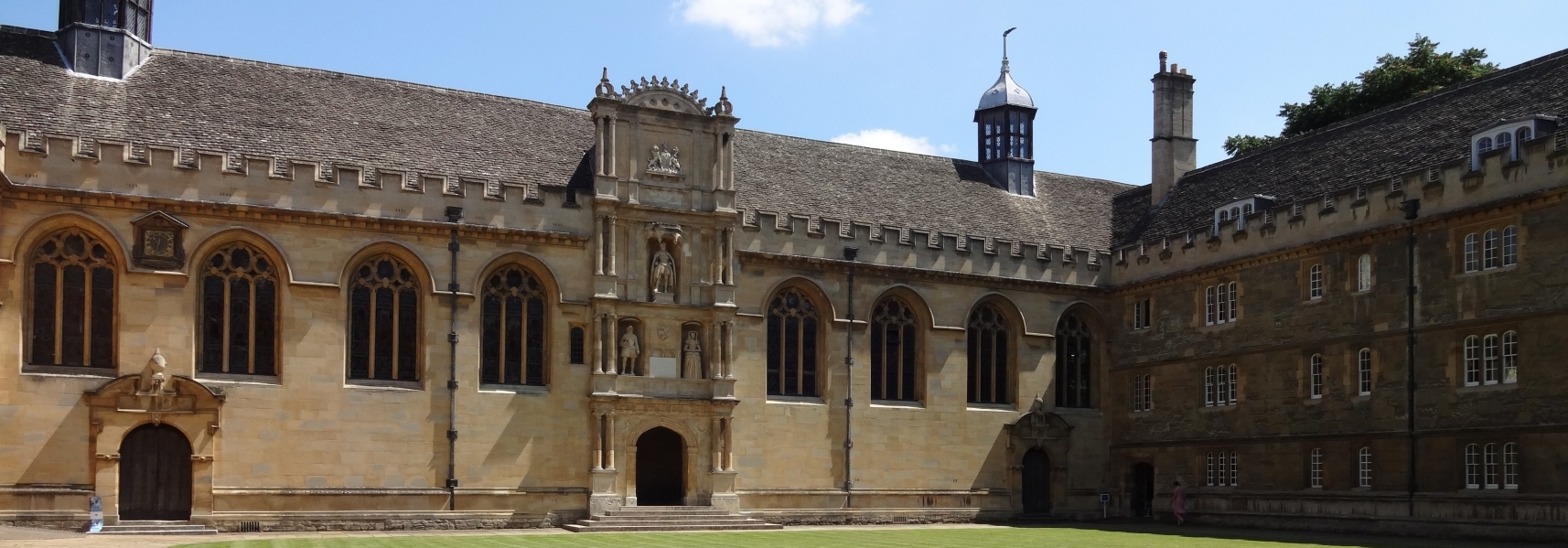
Booking is now open for the 50th anniversary conference ‘The Global British Organ’ in Oxford from 9-11 April. read more
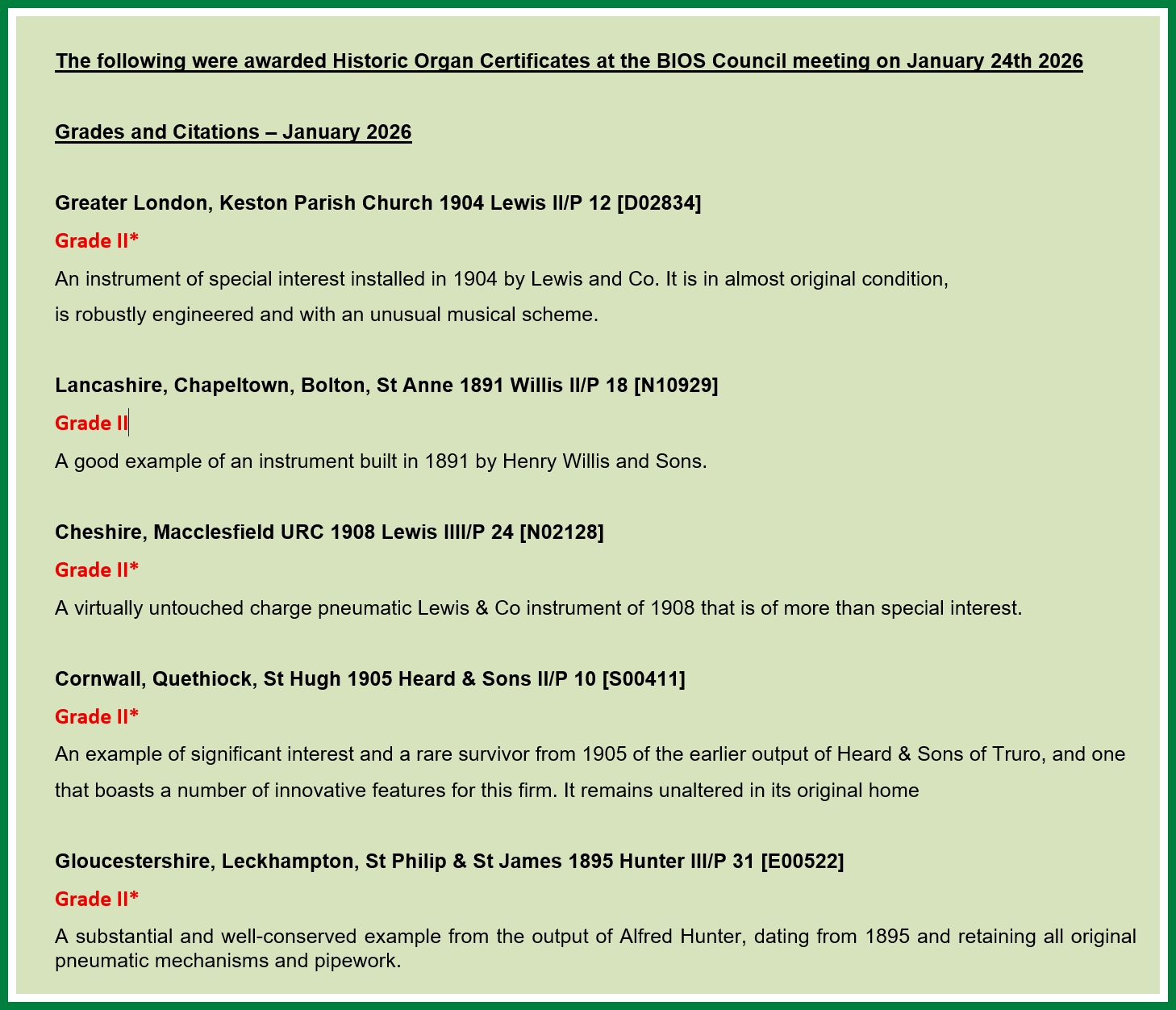
New Historic Organ Listings – January 2026
The January meeting of the BIOS Council approved five new Historic Organ Listings. read more
The Global British Organ
BIOS will be celebrating its 50th anniversary in 2026 with a residential conference in Oxford from 9-11 April. The topic of the conference will be “The Global British Organ”. read more
Bernard Edmonds Research Conference 2026
The Bernard Edmonds Research Conference will again take place at the Royal Birmingham Conservatoire. We are grateful to Daniel Moult, Head of Organ Studies and his colleagues for hosting this event once again. read more
BIOS membership renewal
As the Christmas music gets packed away, it is time to remember the BIOS membership year begins on 1st January. If not already a member, now is excellent time to become one at the very modest subscription rates that haven’t risen in more than a decade. As well as the authoritative annual Journal, members get a quarterly newsletter, BIOS Reporter.… read more